The concept of fun is a deceptively simple term for a complex, multidimensional human experience that spans psychology, neuroscience, and philosophy. It is not merely a synonym for happiness or pleasure, but rather a distinct, often active, and vital component of well-being and personal growth.
The Psychological Dimension
Psychologically, fun is best understood not as a single emotion, but as a blend of positive affects, including joy, playfulness, and connection. It frequently involves an element of spontaneity and a sense of liberation from routine, preoccupation, and worry, allowing an individual to be fully present in the moment.
Fun, Pleasure & Enjoyment
Pleasure
A more passive, sensory, and immediate experience. It is enjoyable and can be fun, but it tends to be fleeting and focused on immediate gratification.
Enjoyment
A deeper, more satisfying experience that often involves active engagement and a sense of personal growth or accomplishment.
Fun
Sits at the intersection, often characterized by lively or playful amusement. It is frequently enhanced when experienced with others, particularly friends.
Two Types of Fun
Type 1 Fun
Instantly Enjoyable
Lighthearted, pleasurable, and immediately rewarding. Examples include watching a comedy movie, playing a simple game, or having a casual conversation with friends.
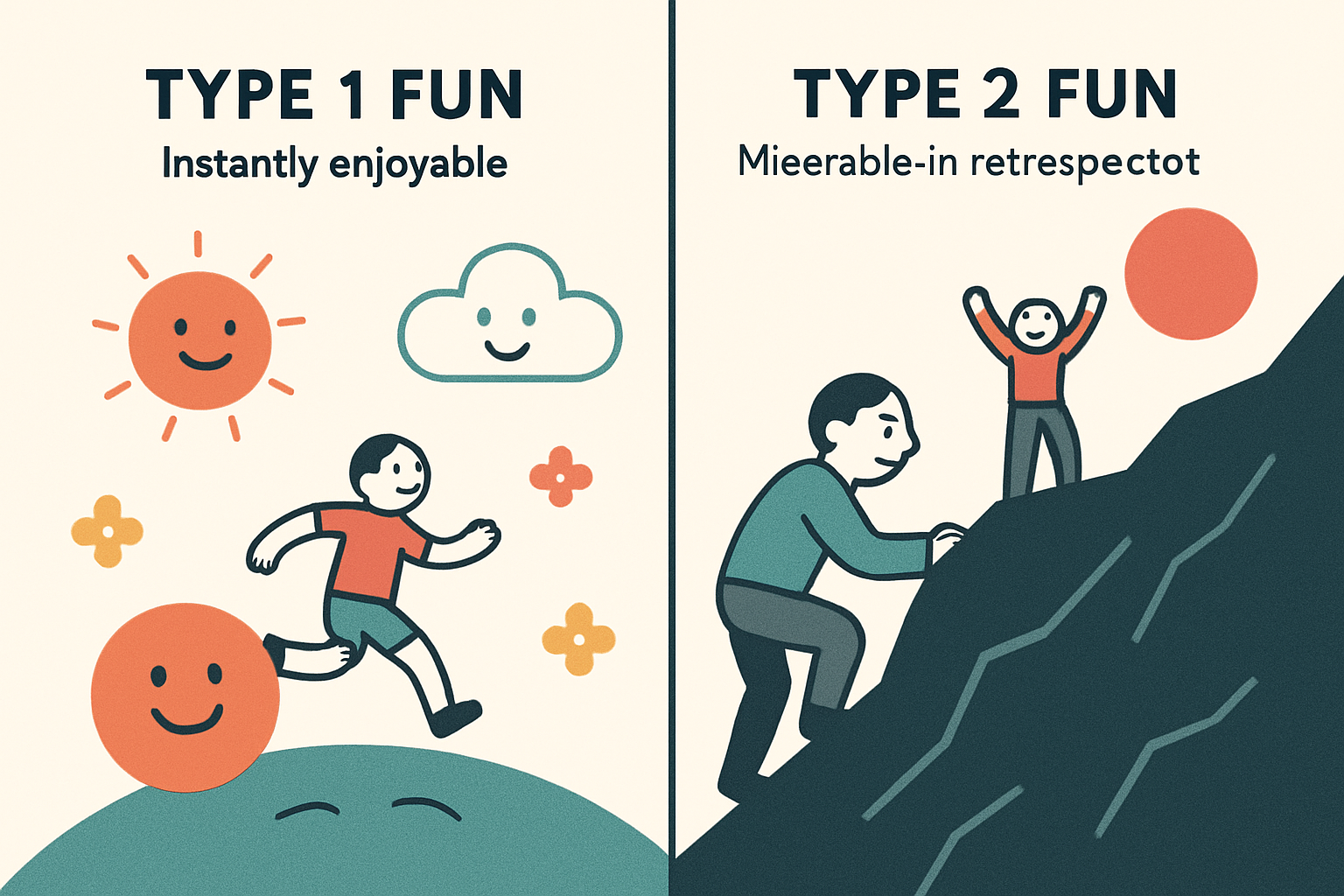
Type 2 Fun
Miserable in the Moment
Challenging and difficult in the moment, but meaningful and enjoyable in retrospect. Examples include completing a marathon, tackling a difficult coding project, or hiking to a beautiful summit.
The Essence of Fun
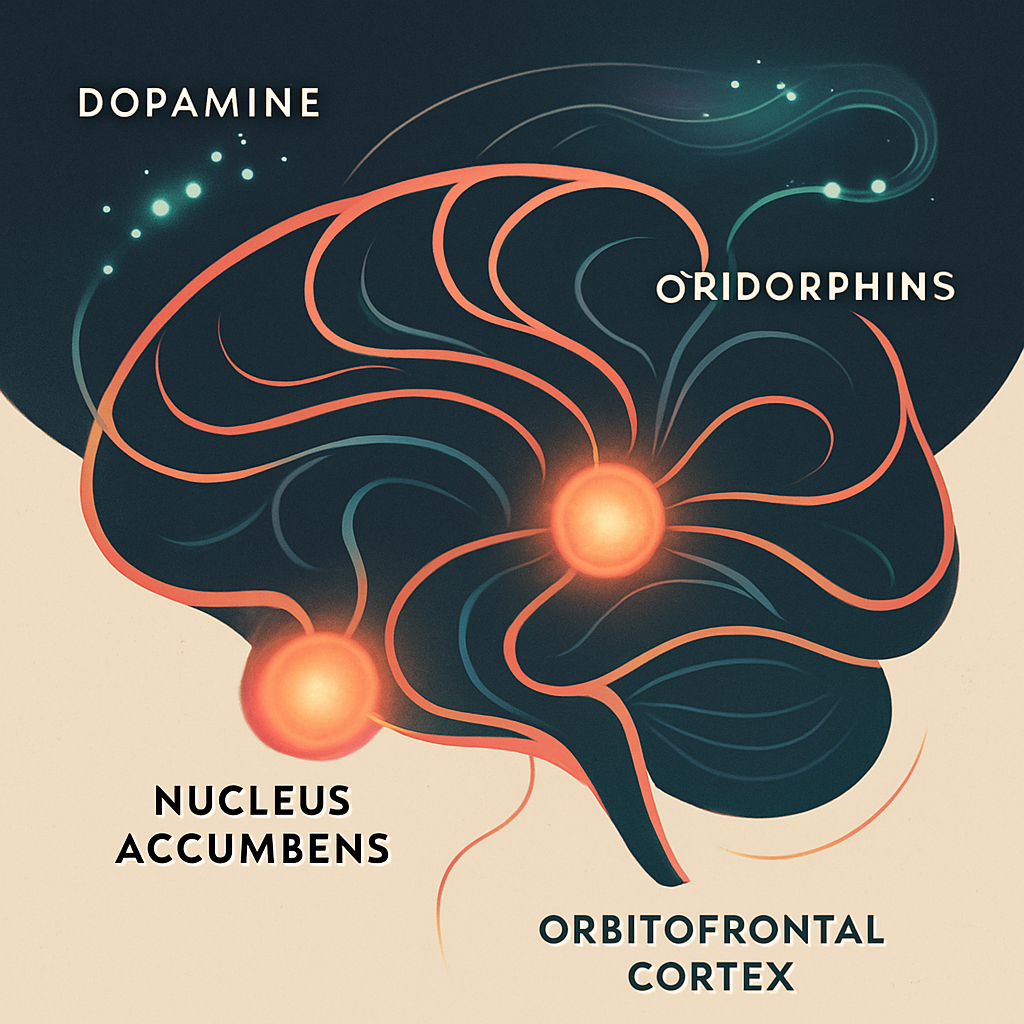
In summary, fun is a dynamic and essential human experience. It is a psychological state characterized by joyful, playful, and often social engagement that transports us outside of our daily routines. It is neurochemically reinforced by the release of dopamine and endorphins, and at its most profound, it manifests as the Flow state, where a perfect balance of skill and challenge leads to an optimal, deeply satisfying experience.
Far from being frivolous, fun is vital for emotional expression, social engagement, cognitive flexibility, and overall well-being.